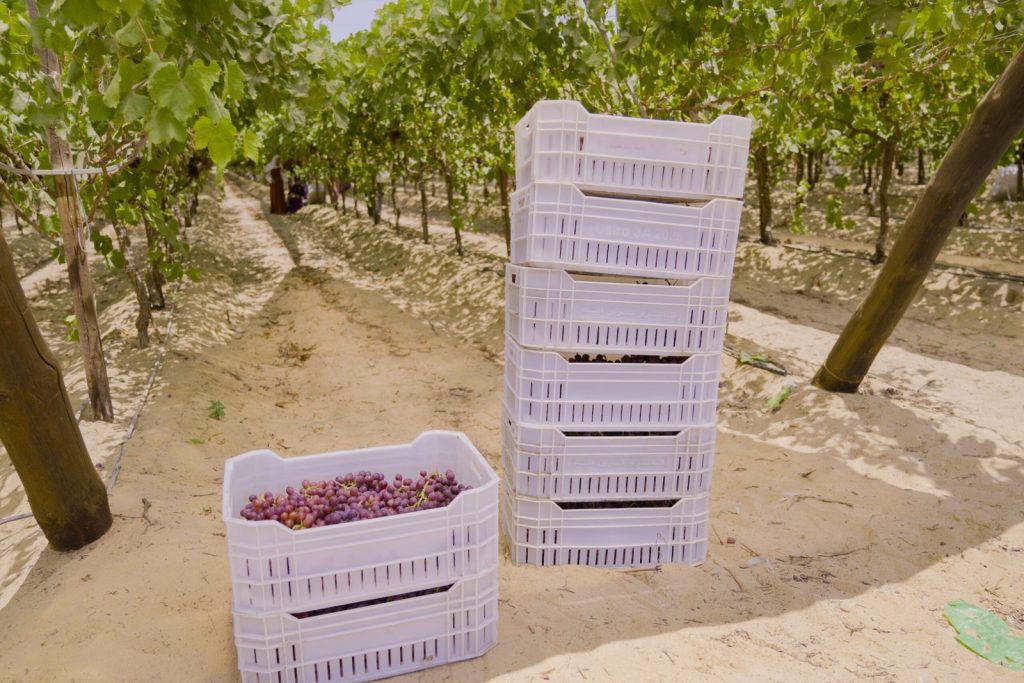
Indian buyers looking to import fruits from Egypt can build sourcing programs around citrus, grapes, pomegranates, mangoes, strawberries, lemons, mandarins and dates. Egypt exported a record 9.5 million tons of agricultural products in 2025, with agricultural exports valued at $11.5 billion.1 For importers, the practical questions are which varieties fit the Indian market, when each crop is available, and which specifications should be agreed with the supplier before an order is confirmed.
Why Indian buyers import fruits from Egypt
Egypt has a large agricultural export base and ships around 405 agricultural products to 167 countries.1 Its citrus sector is particularly significant: citrus exports reached around 2 million tons in 2025, and Egypt retained its position as the world’s largest orange exporter for the sixth consecutive year.1
India is among the top destinations for Egyptian oranges. USDA reporting also notes some recovery in Egyptian orange shipments to Asian markets, including India, Bangladesh and Singapore, following the Red Sea disruption from November 2023 to January 2025.2
For fruit importers in India, this makes Egypt relevant not only for a single seasonal purchase but also for structured sourcing across different fruit windows. Buyers of imported fruits in India can compare varieties, agree specifications in advance, and plan fresh and frozen supply according to their own sales calendar.
Egypt’s main fruit export lines at a glance
| Fruit | Egypt export volume 2025 | Gaara availability window |
|---|---|---|
| Oranges — Navel, Valencia | ~2 million tons citrus1 | Navel: November to end of February; Valencia: January to May3 |
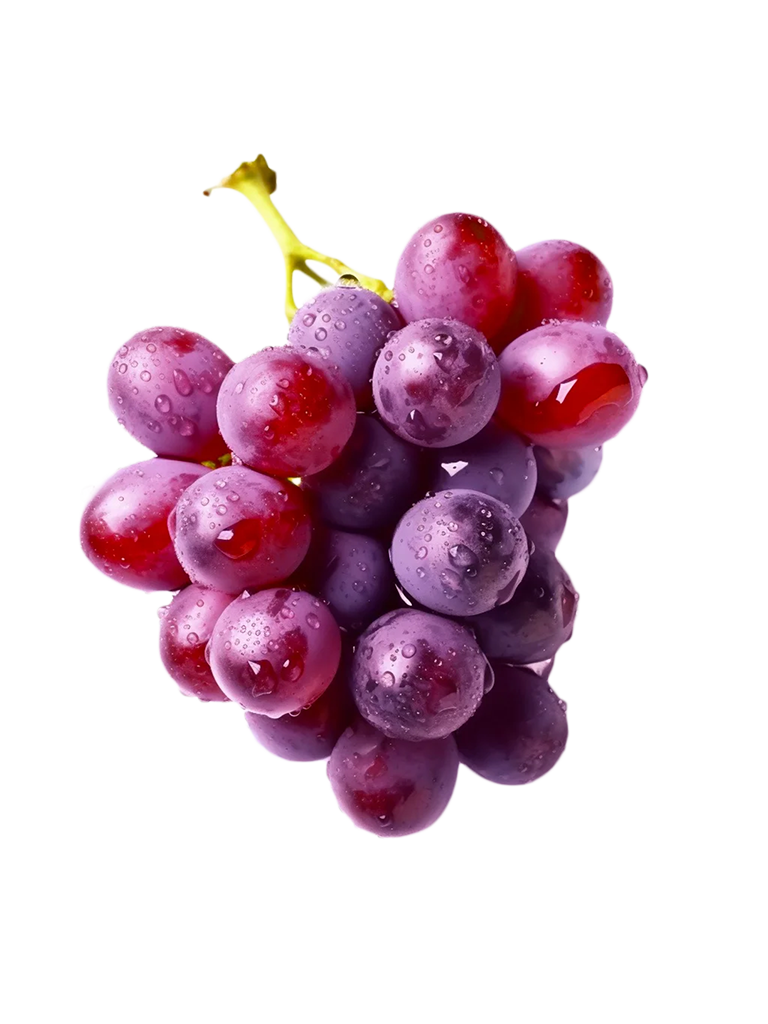
| Grapes — Flame Seedless, Prime Seedless | ~191,000 tons1 | Early May to late June3 |
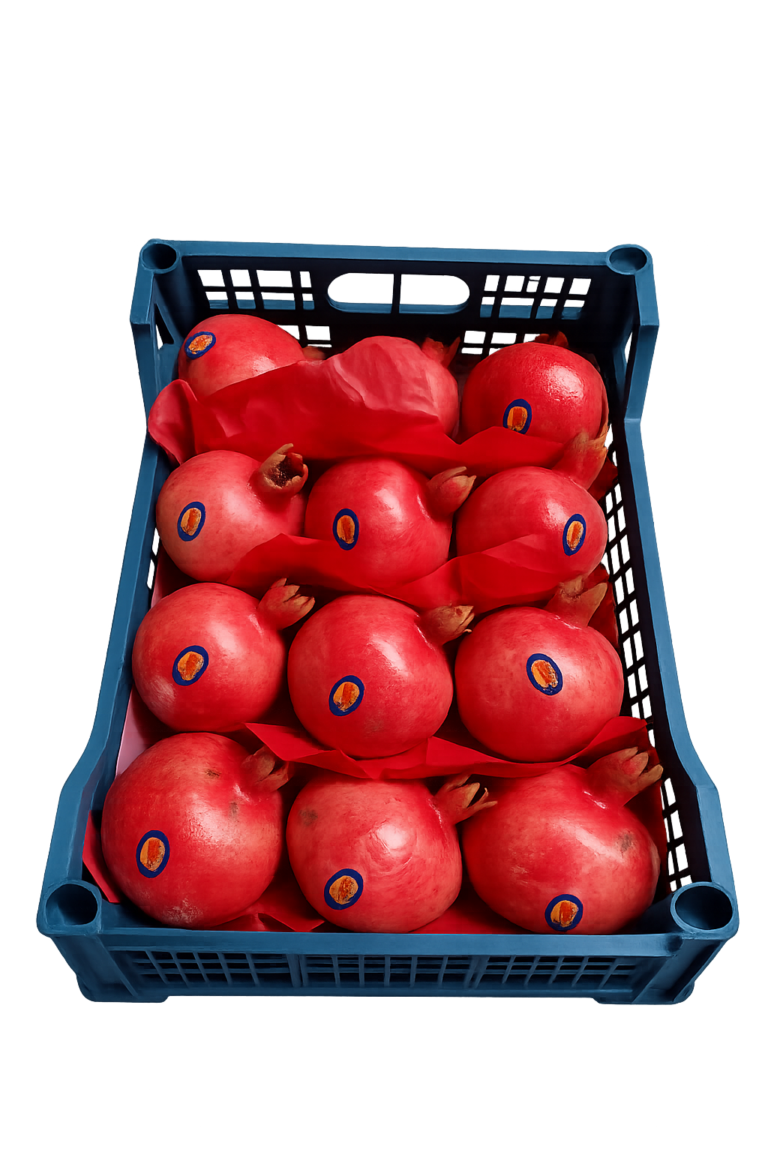
| Pomegranates — Wonderful, Baladi, Early 116 | 136,000 tons1 | September to December3 |
| Mangoes — Naomi, Tommy Atkins, Owis, Osteen, Keitt, Kent | 126,000 tons1 | Naomi and Tommy Atkins: July–August; Owis and Osteen: July–September; Keitt and Kent: August–October3 |
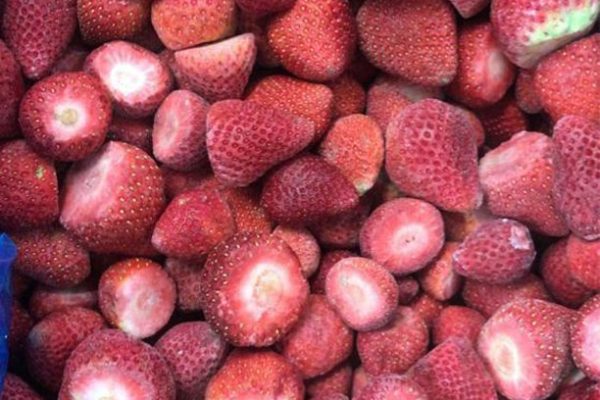
| Strawberries (Gaara: IQF, Festival and Fortuna) | 64,000 tons1 | IQF strawberries: January to May3 |
| Lemons | Part of citrus1 | October to March3 |
| Mandarins | Part of citrus1 | October to April, depending on variety3 |
| Barhi dates | — | Listed by Gaara Export3 |
The national export figures above are not Gaara-specific shipment volumes. They show the scale of the relevant Egyptian export lines; the availability windows are Gaara Export’s stated product windows.1,3
An import calendar for Indian buyers
A practical sourcing calendar helps purchasing teams identify when to request quotations, confirm varieties and prepare an import program.
January: Navel oranges continue through the end of February, while Valencia oranges begin their window. IQF strawberries are available. Lemons and mandarins are also within their stated windows.3
February: Navel and Valencia oranges overlap. IQF strawberries remain available, as do lemons and mandarins.3
March: Valencia oranges continue (the Navel window ends in February). Lemons and mandarins remain available, and IQF strawberries continue through May.3
April: Valencia oranges continue through May. Mandarins remain available through April, while IQF strawberries continue.3
May: Valencia oranges, Flame Seedless grapes and Prime Seedless grapes are in their stated windows. IQF strawberries remain available through May.3
June: The early-May-to-late-June grape window continues for Flame Seedless and Prime Seedless.3
July: Mango supply begins with Naomi and Tommy Atkins, while Owis and Osteen also enter their windows.3
August: Naomi and Tommy Atkins continue, Owis and Osteen continue through September, and Keitt and Kent begin their windows.3
September: Pomegranates enter their September-to-December window. Owis and Osteen continue, while Keitt and Kent remain available.3
October: Pomegranates continue. Keitt and Kent remain available through October. Lemons begin their October-to-March window, and mandarins begin their October-to-April window depending on variety.3
November: Pomegranates continue, lemons and mandarins continue, and Navel oranges begin their November-to-end-of-February window.3
December: Pomegranates remain available, alongside lemons, mandarins and Navel oranges.3
Oranges for India
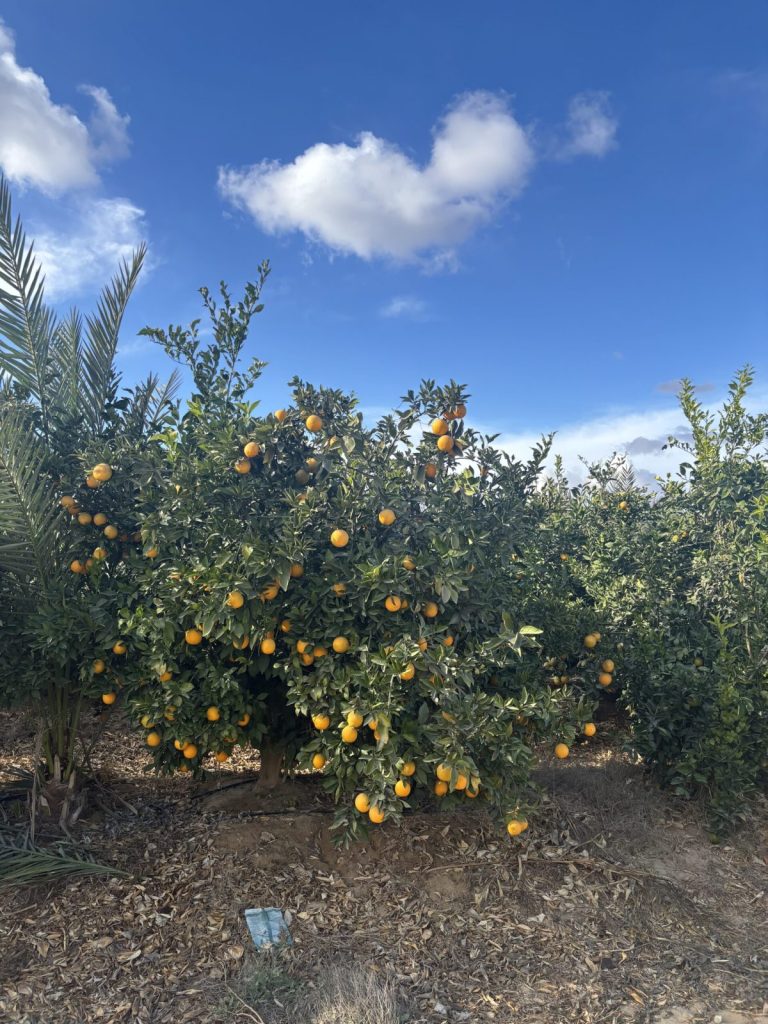
Oranges are one of the most important Egyptian fruit export lines. Citrus exports reached around 2 million tons in 2025, and USDA identifies India among the top destinations for Egyptian oranges.1,2
The two main Gaara varieties offer different seasonal positions. Navel oranges are available from November to the end of February, while Valencia oranges are available from January to May.3
The USDA also reports recovery in Egyptian orange exports to Asian destinations such as India after the Red Sea disruption.2 Indian buyers evaluating Egyptian citrus should therefore discuss the required variety, fruit specifications, packing, documentation and shipping arrangement with the supplier before contracting.
For a more detailed sourcing discussion, see the guide to importing oranges from Egypt to India.
Grapes, pomegranates and mangoes
Grapes: Egypt exported around 191,000 tons of grapes in 2025.1 Gaara Export lists Flame Seedless and Prime Seedless, with availability from early May to late June.3 See the grape varieties available for export.
Pomegranates: Egypt exported 136,000 tons of pomegranates in 2025.1 Gaara Export offers Wonderful, Baladi and Early 116, with a September-to-December availability window.3 Buyers can review the pomegranate supply and agree the required variety and specification before the order.
Mangoes: Egypt exported 126,000 tons of mangoes in 2025.1 Gaara’s listed varieties include Naomi, Tommy Atkins, Owis, Osteen, Keitt and Kent.3 Naomi and Tommy Atkins are available in July–August; Owis and Osteen in July–September; and Keitt and Kent in August–October.3 See the mango varieties available for export.
Frozen fruit and dates
Indian buyers who want to import fresh fruit are not limited to fresh supply. Gaara Export also lists IQF frozen strawberries, with Festival and Fortuna among the listed varieties, available January to May.3 Egypt’s strawberry exports reached 64,000 tons in 2025.1 See the IQF frozen strawberries range for sourcing discussions.
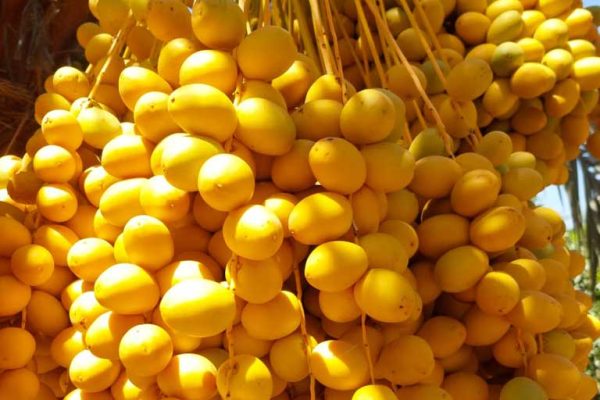
Barhi dates are another listed export line; see Barhi dates for product details.3
This broader range can help purchasing teams that import fruits and vegetables build relationships around more than one seasonal crop. For a wider view of the seasons, see the Egyptian fruit export calendar.
What to agree before you import fresh fruit from Egypt
Before an Indian buyer confirms an order, the commercial and technical specification should be clear in writing. The exact requirements should be agreed per order, rather than assumed from a general product page.
Variety: Specify the exact variety required, such as Navel or Valencia oranges, Flame Seedless or Prime Seedless grapes, or the selected mango and pomegranate variety.
Count and size: Agree the required fruit count, size or grading specification for the destination market and intended sales channel.
Packing: Confirm the packing format, labeling, carton requirements and any buyer-specific presentation requirements.
Documents: Agree which commercial, quality and phytosanitary documents are required for the shipment and destination.
Shipping terms: Confirm the agreed shipping arrangement and commercial terms before the order is finalized. Do not assume a standard arrangement applies to every product or shipment.
India’s current import requirements: Import regulations, customs procedures and plant-health requirements can change. Confirm the current Indian import, customs and phytosanitary requirements for the specific fruit and shipment with your customs broker before contracting.
These points matter whether you are an importer, wholesaler, distributor, retail-chain purchasing team or government buyer. Clear specifications reduce the risk of differences between the requested product and the shipment prepared for export.
Why work with Gaara Export
Gaara Export supplies Egyptian fresh fruit, vegetables and IQF frozen products to international buyers, with a range that covers different seasonal windows. Its product portfolio includes oranges, grapes, pomegranates, mangoes, IQF strawberries and Barhi dates, among other agricultural products.3
For buyers sourcing at commercial scale, Gaara Export supports bulk supply by the ton. Its stated certifications and quality credentials include SMETA, GRASP, GLOBALG.A.P. and ISO 9001:2015, with EGAC and IAF accreditation.3
This combination of seasonal range and documented quality systems can be useful for purchasing teams planning more than one fruit line. Instead of treating each crop as an isolated purchase, buyers can discuss their broader sourcing calendar and agree specifications for each order.
Request a quote for Egyptian fruit
If you are one of the fruit importers in India planning to import fruits from Egypt, start with the crop, exact variety, required volume, destination and target supply period. Gaara Export can then discuss the applicable product specification and order requirements.
Request a quote through Gaara Export’s Contact Us page.
Sources
- 1 Egypt State Information Service, “Egypt’s farm exports hit record $11.5 bln in 2025, volumes up to 9.5 mln tons,” 21 January 2026 (citing the Central Administration of Agricultural Quarantine) — sis.gov.eg/en/media-center/news/egypt-s-farm-exports-hit-…
- 2 USDA Foreign Agricultural Service, “Egypt Citrus Annual,” GAIN Report EG2025-0031, 17 December 2025 — apps.fas.usda.gov/newgainapi/api/Report/DownloadReportByF…
- 3 Gaara Export, “Products.” Product availability, varieties and certification information — gaaraexport.com/products/